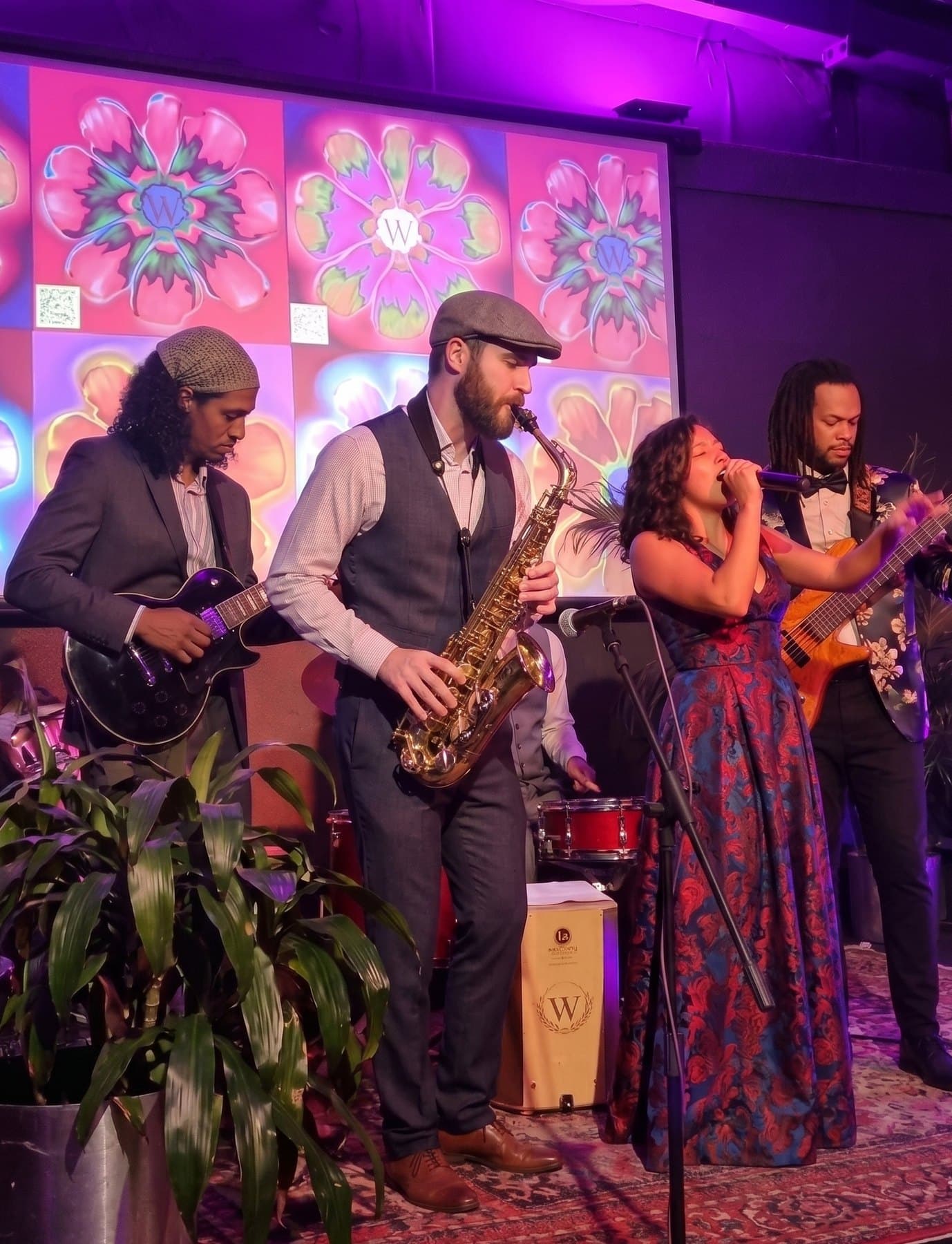
At a corporate event, music is rarely the headline — and that's exactly why it's powerful. It sets the tone before a single word is said, carries the room between agenda items, and can turn a reception into a moment people actually remember. Done well, it makes the whole evening feel considered.
This guide covers how live music functions across a corporate event and how to brief a performer so the result reflects your organization.
Setting the tone at arrivals
The first impression of an event is often acoustic. A live performer during arrivals and registration signals care and quality before the program begins, easing guests into the room and lifting the energy of a space that might otherwise feel transactional.
Carrying the run of show
Across an evening, music does connective work — filling transitions, holding the room during a lull, and giving the agenda a sense of flow. A performer who has coordinated with your event and AV teams can calibrate to the run of show, moving from background ambience to a featured set on cue.
Creating the featured moment
Most brand events benefit from one moment the room gathers for — an award, a toast, a reveal. A live performance can be that moment, or the lift right before it. This is where presence matters: an artist who can command attention, then hand it back to your program seamlessly.
Reflecting the brand
The performer represents your organization for those hours. Repertoire, polish, and demeanor should align with how you want the brand perceived — refined and understated, or energetic and celebratory. Brief the artist on the impression you're after, and a strong one will shape the program to match.
- Live music at arrivals signals quality before the program starts.
- A coordinated performer carries the run of show across transitions.
- Plan one featured moment the room gathers for.
- Brief the artist on the brand impression you want.